[ad_1]
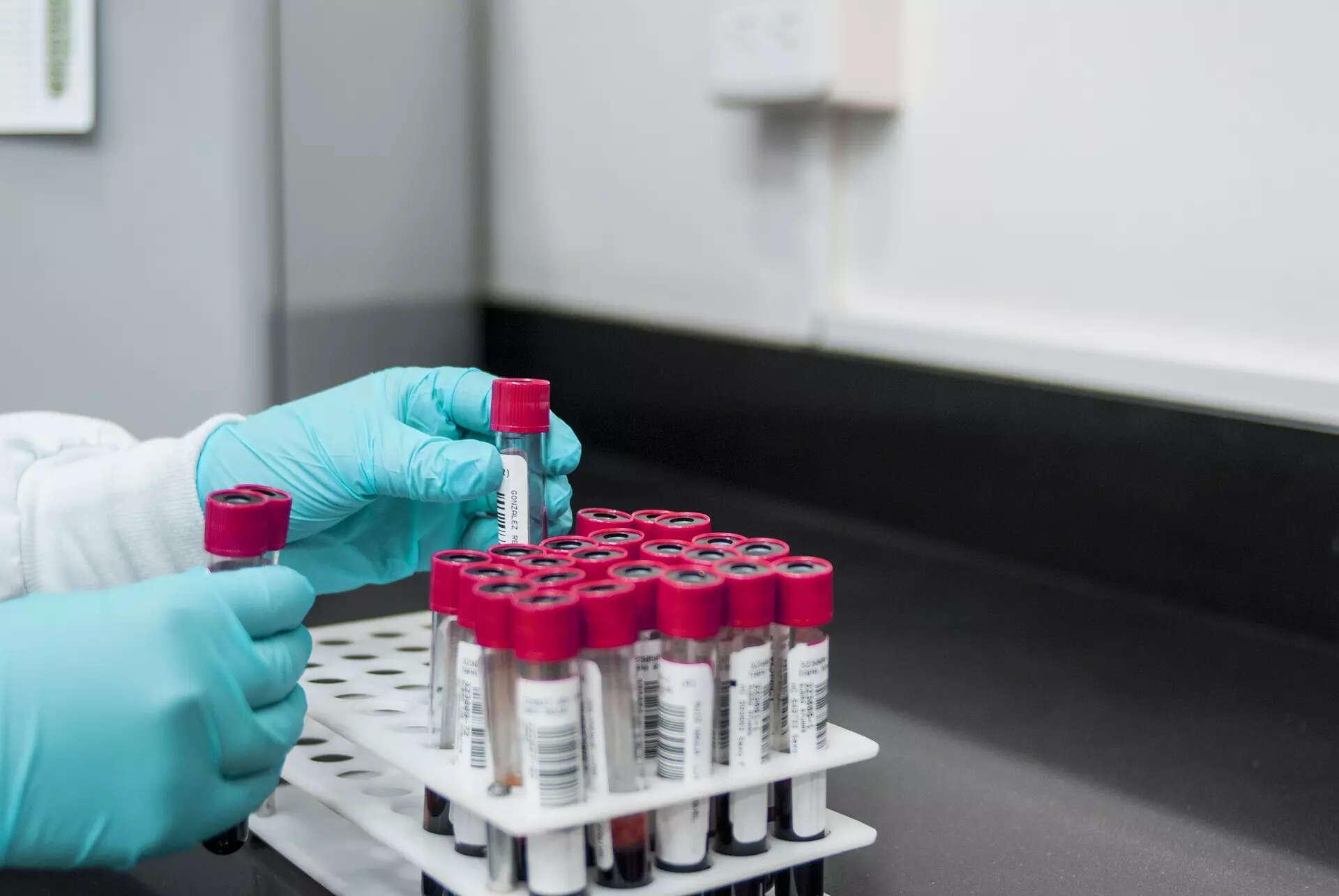
Chemistry experiments provide an immersive way for Class 10 students to grasp fundamental concepts. They not only demonstrate scientific principles but also encourages critical thinking and hands-on learning. These experiments not only reinforce theoretical concepts but also foster scientific inquiry and analytical skillsin Class 10 students. Conducting hands-on experiments encourages a deeper understanding of chemistry while igniting a passion for scientific exploration.Here are 10 captivating experiments, complete with procedures, required materials and scientific explanations.Try them today.Supervision and safety measures are crucial while performing these experiments to ensure a safe and enriching learning experience.
Acid-Base Titration
Materials Required: Acid/base solutions, burette, pipette, indicator, conical flask.
Procedure: Prepare a standard solution of acid or base and use it to titrate another solution of known concentration. Use an indicator to determine the endpoint of the reaction.
What you’ll learn: You’ll get to know about neutralization reactions, titration techniques, and how to calculate the concentration of an unknown solution using known concentrations.
Chemical Clock Reaction
Materials Required: Potassium iodate, sodium thiosulfate, starch solution, beakers.
Procedure: Mix solutions of potassium iodate, sodium thiosulfate, and starch. Observe the sudden colour change and measure the time taken for the reaction.
What you’ll learn: This demonstrates the concept of reaction kinetics and how altering concentrations affects reaction rates.
Electrolysis of Water
Materials Required: Electrolysis apparatus, water, electrodes, power source.
Procedure: Set up an electrolysis apparatus with two electrodes immersed in water, connected to a power source. Observe the gases produced at each electrode.
What you’ll learn: This experiment demonstrates electrolysis, separating water into hydrogen and oxygen gases, showcasing the concepts of electrolytes and redox reactions.
Crystal Growing
Materials Required: Salt/sugar, water, containers, stirring rods.
Procedure: Dissolve a substance like salt or sugar in water and allow it to evaporate slowly, leading to crystal formation.
What you’ll learn: Students explore crystallization processes, crystal structures, and the impact of temperature and concentration on crystal growth with the help of this experiment.
Chemical Bonds: Molecular Models
Materials Required: Modeling kits, balls, sticks.
Procedure: Construct 3D models of molecules using materials like colored balls and sticks, depicting how atoms bond to form compounds.
What you’ll learn: This fun experiment illustrates molecular shapes, bonding angles, and how different elements combine to form compounds.
pH Testing of Substances
Materials Required: pH paper/meter, various household substances.
Procedure: Test the pH levels of household substances using pH paper or a pH meter.
What you’ll learn: It introduces students to the concepts of acidity and alkalinity, showcasing the pH scale and the impact of different substances on pH levels.
Chemical Reactions in Cooking
Materials Required: Ingredients for cooking or baking.
Procedure: Observe and record chemical changes during cooking, such as caramelization or leavening in baking.
What you’ll learn: This experiment explores chemical reactions involved in food preparation, like Maillard reactions and fermentation.
Testing for Organic Compounds
Materials Required: Various organic substances, reagents for specific tests.
Procedure: Perform tests like the iodine test for starch, Benedict’s test for reducing sugars, and the Biuret test for proteins.
What you’ll learn: It demonstrates identification tests for organic compounds, emphasizing their unique reactions.
Chemical Composition of Natural Materials
Materials Required: Natural materials, test reagents.
Procedure: Analyze the chemical composition of natural materials like fruits or vegetables using simple tests.
What you’ll learn: Students can explore the presence of substances like starch, sugars, or acids in natural products using chemical tests.
Oxidation-Reduction Reactions: Rusting of Iron
Materials Required: Iron nails, containers, water.
Procedure: Expose iron nails to moisture to observe the process of rust formation.
What you’ll learn: Through this experiment, students can grasp the concept of oxidation-reduction reactions very well and how environmental factors impact the rusting process.
Acid-Base Titration
Materials Required: Acid/base solutions, burette, pipette, indicator, conical flask.
Procedure: Prepare a standard solution of acid or base and use it to titrate another solution of known concentration. Use an indicator to determine the endpoint of the reaction.
What you’ll learn: You’ll get to know about neutralization reactions, titration techniques, and how to calculate the concentration of an unknown solution using known concentrations.
Chemical Clock Reaction
Materials Required: Potassium iodate, sodium thiosulfate, starch solution, beakers.
Procedure: Mix solutions of potassium iodate, sodium thiosulfate, and starch. Observe the sudden colour change and measure the time taken for the reaction.
What you’ll learn: This demonstrates the concept of reaction kinetics and how altering concentrations affects reaction rates.
Electrolysis of Water
Materials Required: Electrolysis apparatus, water, electrodes, power source.
Procedure: Set up an electrolysis apparatus with two electrodes immersed in water, connected to a power source. Observe the gases produced at each electrode.
What you’ll learn: This experiment demonstrates electrolysis, separating water into hydrogen and oxygen gases, showcasing the concepts of electrolytes and redox reactions.
Crystal Growing
Materials Required: Salt/sugar, water, containers, stirring rods.
Procedure: Dissolve a substance like salt or sugar in water and allow it to evaporate slowly, leading to crystal formation.
What you’ll learn: Students explore crystallization processes, crystal structures, and the impact of temperature and concentration on crystal growth with the help of this experiment.
Chemical Bonds: Molecular Models
Materials Required: Modeling kits, balls, sticks.
Procedure: Construct 3D models of molecules using materials like colored balls and sticks, depicting how atoms bond to form compounds.
What you’ll learn: This fun experiment illustrates molecular shapes, bonding angles, and how different elements combine to form compounds.
pH Testing of Substances
Materials Required: pH paper/meter, various household substances.
Procedure: Test the pH levels of household substances using pH paper or a pH meter.
What you’ll learn: It introduces students to the concepts of acidity and alkalinity, showcasing the pH scale and the impact of different substances on pH levels.
Chemical Reactions in Cooking
Materials Required: Ingredients for cooking or baking.
Procedure: Observe and record chemical changes during cooking, such as caramelization or leavening in baking.
What you’ll learn: This experiment explores chemical reactions involved in food preparation, like Maillard reactions and fermentation.
Testing for Organic Compounds
Materials Required: Various organic substances, reagents for specific tests.
Procedure: Perform tests like the iodine test for starch, Benedict’s test for reducing sugars, and the Biuret test for proteins.
What you’ll learn: It demonstrates identification tests for organic compounds, emphasizing their unique reactions.
Chemical Composition of Natural Materials
Materials Required: Natural materials, test reagents.
Procedure: Analyze the chemical composition of natural materials like fruits or vegetables using simple tests.
What you’ll learn: Students can explore the presence of substances like starch, sugars, or acids in natural products using chemical tests.
Oxidation-Reduction Reactions: Rusting of Iron
Materials Required: Iron nails, containers, water.
Procedure: Expose iron nails to moisture to observe the process of rust formation.
What you’ll learn: Through this experiment, students can grasp the concept of oxidation-reduction reactions very well and how environmental factors impact the rusting process.
[ad_2]
Source link